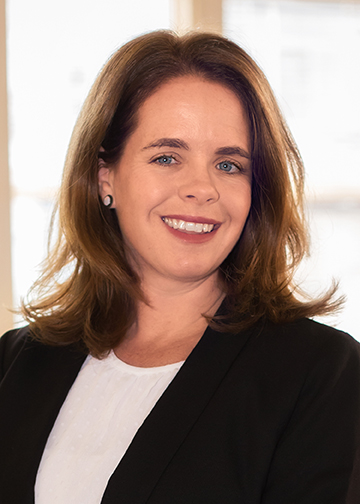
WEST CHICAGO, Ill. — Legislation strengthening orders of protections so abusers can’t access confiscated firearms is now law thanks to the work of state Rep. Maura Hirschauer, D-West Chicago.
“Domestic violence survivors deserve to feel protected and reassured of their safety,” said Hirschauer. “With the successful passing of Karina’s Law last year, our state advanced safeguards to prevent further harm and death to survivors. This is another step forward. It’s an honor to help protect people who have already overcome so much.”
According to the Illinois Coalition Against Domestic Violence (ICADV), domestic violence assaults involving a gun are 12 times more likely to result in death than those involving other weapons or bodily force. Additionally, in 2025, 68% of domestic violence homicides in Illinois involved the use of a firearm.
Hirschauer’s Senate Bill 3329 protects domestic violence survivors by making clear that it is illegal for abusers to access confiscated firearms. Senate Bill 3329 is a trailer bill to Karina’s Law, which strengthens the firearm remedy within the order of protection process by allowing judges to order the removal of guns from abusers who have been deemed a credible danger. Karina’s Law officially took effect on May 11, 2025.
Senate Bill 3329 will take effect on and after Jan. 1, 2027.
Rep. Maura Hirschauer
(D-Batavia) 49th District
Springfield Office: 270-S Stratton Office Building Springfield, IL 62706 (217) 782-1653
District Office: 946 Neltnor Blvd #104 West Chicago IL 60185
WEST CHICAGO, Ill.— State Rep. Maura Hirschauer, D-West Chicago, is inviting community members to attend a free Community Document Shredding Event on Saturday, Sept. 5 from 9 a.m. to noon at the West Chicago Public Library District, 118 W. Washington St., in West Chicago.
Hirschauer is co-hosting this free Community Document Shredding Event with state Sen. Karina Villa, D-West Chicago, West Chicago Public Library District and SCARCE. Constituents will be allowed to bring up to three boxes or two paper bags of unwanted personal documents and records to be safely shredded.
“Identity theft is a persistent problem here in Illinois, so it’s important to provide a space for our friends and neighbors to get rid of needless clutter and safely shred personal documents,” said Hirschauer. “I’m excited to see our community come together for this event and help them with any questions or concerns they may have.”
Only paper materials will be accepted. Small paper clips and staples do not need to be removed. Shredding is accepted until the shred truck is full. Additionally, SCARCE encourages constituents to bring the following special items to be collected and recycled:
Holiday lights, cords and wires
Keys (household, luggage, car)
Eyeglasses and sunglasses (no cases)
Plastic bread tags
X-ray, MRI and Lithographic Film
Hearing Aids
Crayons
Shredding traffic must enter the event from Washington St. and exit via Turner Ct. No other items will be accepted for the document shredding and the special recycling items events. No RSVP is required for this event. For more information or questions, visit https://www.maurahirschauer.com/event/shred26-09/.
Rep. Maura Hirschauer
(D-Batavia) 49th District
Springfield Office: 270-S Stratton Office Building Springfield, IL 62706 (217) 782-1653
District Office: 946 Neltnor Blvd #104 West Chicago IL 60185
Students may find one-on-one academic advising by talking to their local ISACorps member. Through ISACorps mentoring, high school students may speak to recent college graduates about the college application process. Find the ISACorps member in your area at: https://www.isac.org/students/before-college/isacorps/members.html
Disability Accommodations
Illinois TRiO service make obtaining a college education possible for all. The Objectives of TRiO are to:
Service the needs and interests of (1) students, faculty, and administrators in institutions of higher education, and (2) individuals in public and private agencies and organizations concerned with or engaged in the support and/or administration of TRIO and Educational Opportunity Programs (EOP) by promoting and facilitating the coordination of educational opportunites and by advising and assisting in the promotion and development of positve program implementation.
Promote and facilitate communication between instutions of higher education and the sponsors of student aid funds.
To stimulate, promote, and conduct systematic studies and research, cooperative experiments, education, conferences, and such other related activities as are desirable or necessary to fulfill the purposes of the Chapter.
Accommodation offices exist at all Illinois’ campuses, but may vary slightly from campus to campus. To learn more about TRiO, visit https://www.illinoistrio.org/.
Add/Drop Period: students who start taking a class and discover they don’t like it or need a different class can “add” or “drop” them during the add/drop period. Students who drop but don’t add a class may have to do so by a certain deadline in order to get their money back for that class. They may only be allowed to add a class during a certain period at the beginning of the term (colleges may not want students to take a course when they have missed a lot of classes by adding it late). If students leave a class after the add/drop deadline, their transcript may say “W/P” meaning that they were passing when they withdrew from the class, or “W/F” if they were failing it at that time
Bursar’s Office: office at the university that is involved with billing and student accounts
Core (or distribution or general education) Requirements: many colleges have a list of the kinds of courses students have to take in order to graduate (look for these online). These often include one or two composition (writing) courses, and they may include two classes in social science, two in humanities, two in science, etc. There are often a number of classes to choose from in order to satisfy these requirements. Students should look online for class rating sites (like ratemyprofessors.com) to see what other students say about different courses at their school so that they can have some information to help them choose from the options available
Liberal Arts: schools that are considered to be “liberal arts” colleges usually offer degrees in literature, philosophy, economics, political science but also offer degrees in science and math fields. Some see the liberal arts schools as those where the faculty members focus on teaching of undergraduate students, rather than research
Pass/Fail Option: sometimes, students can take a challenging class they need to without worrying about the grade affecting their GPA– they can choose this option and simply have to pass the class in order for it to count for credit – students may have to choose this option when they register (i.e., they can’t wait to see how they’re doing and then decide to go pass/fail). This option may not be available for courses required to complete the college’s core requirements or the requirements for students’ major or minor
Pre-requisites: classes that students have to take before they are allowed to take a certain higher-level class or enter a program to pursue a certain major. For instance, students who want to enter an engineering program might have to take (and earn a certain grade in) physics
Work-Study: some students earn financial aid in this way – they take a job on campus in order to get this money for their tuition (their wages are applied to their tuition bill to pay it down). Students may be able to choose their desired work-study job from a list, so students who want a better chance to get a job they like (rather than choosing from whatever is left over) should ask early about the opportunities available and sign up
Tips for communicating with professors:
Before you decide to reach out;
Read the course syllabus first, many general questions will have been premtively addressed
Check the course website, i.e. Canvas
Use professional email conduct
Email from your student account
Explain your questions clearly
Professionaly format the email using polite language and proper grammer
Attend office hours
Be honest about any struggles you may be having in the class
Use any and all campus resources
TRiO offers support for Illinois first generation students. For more information, visit: https://www.illinoistrio.org/
Completing the FAFSA (Free Application for Federal Student Aid) is mandatory for high school graduation in the state of Illinois. The FAFSA form opens on October 1st and is due June 30th at 11:59 P.M. CST. It is highly recommeded that you fill out the FAFSA as soon as possible.
Your federal income tax return (accessible online)
Records of recieved child support
Records of your assets
List of schools you’re interested in attending
College Application Essay Advice
The majority of colleges and universitys require students to submit an application essay as part of their overall application. This essay typically has a 250 word minimum and 650 word maximum length. Application essays are formatted as personal statements that are meant to display growth, vulnerability, writing skills, and the applicants core values. Common essay categories include; overcoming specific challenges or failures, a major event that changed your view of life, a uniqe skill that defines you, or a topic that makes you so curious that you loose track of time.
The CSS profile is a non-federal student aid application that applies to about 270 private universites. The CSS Profile opens on October 1st, deadlines vary based on the specific school(s) you are applying to. The CSS Profile must be sent to each school you are applying for individually through the CSS Portal.
Needed documents:
Most recent federal tax returns
W-2 forms
Records of current year income
Records of untaxed income & benefits
Records of assets
Bank statesments for you and your parents (if applicable)
Map Grant eligibilty is determined based on the information submitted in a student’s FAFSA and does not requrie an additional application. Undocumented stuends who do not qualify for the FAFSA may apply for the MAP Grant using the Alternative Application.
MAP Grant eligibility:
Must be a U.S. citizen or eligible noncitizen or meet the RISE Act criteria
Must be an Illinois resident or the dependent of an Illinois resident
Must demonstrate financial need
Must be enrolled a minimum of 3 hours per term at an approved Illinois college in a degree or certificate program
Must maintain satisfactory academic progress as determinded by individual colleges
Must not be in default on any student loan or owe a refund on any state or federal grant
Continue working on supplemental essays for early applications
Request high school transcript
Ask teachers for all necessary letters of recommendation (do this as early as possible)
October 1st:
FAFSA opens
CSS Profile opens
November 1st-15th:
Early Action and Early Decision deadlines (exact dates depend on the school)
Mid-December:
Early Action and Early Decision results are released
Continue working on essays for regular applications
January 1st-15th:
Regular Decision deadlines (exact dates depend on the school)
February – March:
Rolling decision results are released
March – April:
Regular Decision admission results & financial aid packages are released
May 1st:
Students choose which school to commit to
College Application Vocabulary
Additional information section: a section on most college applications that applicants may use to explain important context for their application, such as significant struggles, interruptions in their academic lives, or other external factors
Admission tests: standardized entrance exams (such as the SAT and ACT) used by universities to measure a student’s readiness for college-level work and compare applicants across different high schools
Articulation agreement: an agreement between two schools that explains how earned credits will transfer from one school to the other (used by students who transfer schools)
Candidates reply date agreement: a standard policy that gives students until May 1 to accept or decline an offer of admission at each college they are accepted into
Class rank: a numerical measure that compares your cumulative grade point average (GPA) and course rigor against the other students in your graduating class
Coalition Application: a centralized online platform used by over 150 colleges and universities in the United States that allows students to apply to multiple schools
Common Application: a standardized online platform that allows students to apply to more than 1,100 colleges and universities worldwide (most common application program)
Deferred admission: a decision in which a university postpones a final decision on an early applicant, choosing to reevaluate them later with the regular decision applicants
Demonstrated interest: a metric colleges use to measure how actively and enthusiastically a student engages with their school before applying
Early Action (EA): a non-binding college application process that lets students apply early (usually by November 1st) and receive their admission decision early (typically by mid-December), without being forced to commit
Early Decision (ED): a binding college application process that allows students to apply early (usually by November 1st) to one top school, which they commit to attending if admitted (typically raises admission chances significantly)
FAFSA (Free Application for Federal Student Aid): the official form students submit to apply for financial assistance to pay for college or career school (required by most colleges & is a graduation requirement in Illinois)
Financial aid: money given or loaned to help pay for college, whether from the government, a specific college, or a private organization
Legacy applicant: an applicant who has a close family member (typically a parent or grandparent) who graduated from the same institution the student is applying to
Need-blind admission: a policy in which a college does not consider your family’s financial situation or ability to pay when deciding whether to offer you admission
Open admission: an acceptance policy where a college admits every student who has a high school diploma or GED, without factoring in high school grades, GPA, or SAT/ACT test scores
Personal statement: a narrative college application essay received by every college you apply to that lets admissions officers understand the values, skills, interests, and qualities you bring to that campus and community
Placement tests: tests used by colleges that measure the academic skills needed for college-level work and help determine what classes a student is ready for
Priority date/deadline: the date by which your application must be received to be given the strongest consideration.
Registrar: the college official who registers students, keeps permanent records, and maintains all student files
Rolling admission: an admission policy of considering each application as soon as all required information has been received, rather than setting an application deadline and reviewing applications all together
Sophomore standing: having earned enough college credits (typically 30 semester hours) to be classified as a second-year student rather than a freshman upon entry into a college
Supplemental essays: additional, school-specific essays required alongside the personal statement in many applications
Transfer student: a student who enrolls in a college after having attended another college
Waitlist: a status meaning you meet the school’s academic and personal requirements, but the admissions office cannot offer you an immediate spot because the incoming class is currently full
Community College vs. Four Year Universities
Community colleges typically offer two-year associate degrees and certificate programs, have lower tuition, and often have open admissions policies, making them an affordable and accessible option for many students. In contrast, four-year universities offer bachelor’s degrees as well as graduate programs, usually have more selective admissions requirements, and provide a traditional college experience with on-campus housing, athletics, student organizations, research opportunities, and a wider variety of academic majors. Many students choose to begin at a community college to save money and complete general education courses before transferring to a four-year university to earn a bachelor’s degree.
Grants and scholarships are both forms of aid that do not need to be repaid, grants are based on financial aid while scholarships are based on merit [academic excellence, special talents, athletic ability].
Direct Subsidized Loans: For undergraduate students that have demonstrated financial need; government pays interest
Direct Unsubsidized Loans: Government backed loan for graduate and undergraduate that does not require proof of financial need. You are responsible for all interest from the moment of disbursement
Federal PLUS loans: Available to graduate/professional students or parents of dependent undergraduate students to cover up the remaining cost of total attendance.
Private Student Loans: Offered by banks or specialized lenders that can cover 100% of the schools certified cost of attendance.
What is a Work-Study Program?
Work-study programs are part-time or on-campus jobs that allows you to earn money to help pay for educational expenses.
FERPA (Family Educational Rights and Privacy Act) is a federal law that protects the privacy of student education records. It gives students (and parents of students under the age of 18) the right to access their education records, request corrections to inaccurate records, and control most disclosures of their records without consent. In general, colleges may not share grants, transcripts, or disciplinary records without the student’s permission.
Title IX
Title IX is a ferderal law that prohibits sex-based discrimination in edcuational programs receiving federal funding. It protects students from sexual harassment, sexual assault, dating or domestic violence, stalking, and pregnancy/parenting discrimination. Schools must investigatge complaints and provide supportive measures to protect affected students.
Disability Accommodations (ADA)
The Americans with disabilites Act (ADA) and Section 504 of the Rehabilitation Act require schools to provide equal access for qualified students with disabilties. Common accommodations include; extended test time, note-taking assistance, accessible classrooms or housing, assistive technology, and flexible attendance or assignment deadlines when appropriate. Students usually must register with the school’s disablity service office and provide documentation.
Academic Appeals
Most colleges allows tudents to appeal certain academic decisions. These decisions may include; final grades, academic dismissal, academic suspension, denial of admission to a program, and academic integrity findings. The appeal process typically requuires a written explanation, supporting evidence of documentation, and submission within a specified deadine. Appeals are reviewed accorind to the insitution’s published policies.
This month, the Representative and her staff have been out in the community, listening to constituents, visiting local businesses, and talking about the issues that matter in the 49th District.
My office is always here to help connect residents with state resources and services for families, and individuals. If you have questions or need assistance, please don’t hesitate to reach out.
District Office News
Birth to Five Illinois Roundtable
Our office joined Birth to Five Illinois for their roundtable discussion in Bolingbrook. This discussion covered a range of concerns affecting early childhood education and care that directly affects many members of our District 49 community. Hearing from parents, child care providers, and Birth to Five staff was incredibly valuable.
For more information regarding the event, click here.
Latino Policy Forum Early Childhood Research Launch
Our office learned from statewide early childhood champions at the Early Childhood Multilingual Learner Research-Practice Launch. Thank you to the Latino Policy Forum and the Illinois Workforce and Education Research Collaborative for conducting critical research on how we can best support English Language Learners in our early childhood spaces.
Click here to view the full Early Childhood Multilingual Report.
Canvassing Across the 49th District
Our interns were given the opportunity to join the Representative in canvassing constituents across the district, from Bartlett to West Chicago.
For more information about available Constituent Services, click here.
End of Session Town Hall
The End of Session Town Hall held in Bartlett was a massive success! The Representative presented the various pieces of legislation that she successfully passed this session, and spoke about what she plans to continue working on into the fall.
Our office attended a small business tour, lead by the Batavia Chamber of Commerce. We heard from local business owners about their experiences as well as their feedback on legislative proposals. Thank you to the Chamber for putting together a great tour!
Click here to learn more about the Batavia Chamber of Commerce.
Illinois News
Keep Cool Illinois
With temperatures climbing higher, it is important that Illinoisans know how to stay safe and cool this summer. Be sure to hydrate, wear sunscreen, and take breaks as needed.
The Illinois Department of Early Childhood (IDEC) is officially open as of July 1st. Many state processes pertaining to early childhood will be transitioning to the new department, including childcare licensing, early childhood block grants, and infant and early childhood mental health services.
Illinois Arts Council’s FY27 Creative Projects Grant
The goal of the Creative Project Grant (CPG) is to provide up to $12,000 to support art projects for Illinois artists, eligible not-for-profit organizations, municipal entities, or colleges and universities. CPG projects must include a public release or presentation of the work accomplished during the grant period.
As of June 26th, HB 5364 has passed. HB 5364 strengthens the Department of Healthcare and Family Services (HFS) Inspector General ability to investigate fraud, waste and abuse in the Illinois Department of Early Childhood (IDEC). Not only will this allow for observation for IDEC operations, but it will also continue making sure the department runs smoothly and safely.
On July 15th, Governor Pritzker signed SB 3926 into law, officially moving the Breakthrough Therapies for Veteran Suicide Prevention Program Advisory Council to the Illinois Department of Public Health (IDPH). This bill, sponsored by Representative Hirschauer, will grant the council greater access to resources to help veterans with new therapies like MDMA and pharmaceutical-grade psilocybin, which are used to treat post-traumatic stress disorder, treatment-resistant depression, and anxiety.
Este mes, la representante y su empleados han estado presentes en la comunidad, escuchando a los residentes, visitando empresas locales, y conversando sobre los temas de interés para el Distrito 49.
Mi oficina está siempre aquí para ayudar a residentes con recursos del estado y servicios para familias, y individuales. Si tiene preguntas o necesita ayuda, no dude en ponerse en contacto con nosotros.
Noticias De La Oficina Distrito
Mesa Redonda de Birth to Five Illinois
Nuestra oficina participó en la mesa redonda organizada por Birth to Five Illinois en Bolingbrook. En dicha sesión se abordaron diversas inquietudes relacionadas con la educación y el cuidado de la primera infancia que afectan directamente a muchos miembros de la comunidad de nuestro Distrito 49. Fue de gran valor conocer las opiniones de padres de familia, proveedores de servicios de cuidado infantil y el personal de Birth to Five.
Para más información de este evento haga click aquí
Presentación de la investigación sobre la primera infancia del Latino Policy Forum
Nuestro equipo tuvo la oportunidad de aprender de líderes estatales del ámbito de la primera infancia durante la presentación de la investigación y las prácticas relacionadas con los estudiantes multilingües en esta etapa educativa. Agradecemos al Latino Policy Forum y a la Illinois Workforce and Education Research Collaborative por llevar a cabo esta investigación fundamental sobre cómo apoyar mejor a los estudiantes que están aprendiendo inglés en los entornos de educación infantil.
Haga clic aquí para consultar el informe completo sobre estudiantes multilingües en la primera infancia.
Nuestro pasantes tuvieron la oportunidad de juntar al representante a recorrer el distrito para interactuar con los electores, desde Bartlett hasta West Chicago.
Para más información sobre los servicios disponibles para los electores, haga clic aquí.
Reunión pública de fin de sesión legislativa
¡La reunión pública de fin de sesión celebrada en Bartlett fue un gran éxito! La representante presentó las diversas iniciativas legislativas que logró aprobar durante esta sesión y habló sobre los temas en los que planea seguir trabajando de cara al otoño.
Haga clic aquí para ver el resumen completo de fin de sesión.
Visitas a Pequenas Empresas
Nuestro equipo participó en una visita a pequeñas empresas organizada por la Cámara de Comercio de Batavia. Escuchamos a los propietarios de negocios locales hablar sobre sus experiencias y sus opiniones respecto a diversas propuestas legislativas. ¡Muchas Gracias a la Cámara por organizar una visita excelente!
Haga clic aquí para obtener más información sobre la Cámara de Comercio de Batavia.
Noticias de Illinois
Keep Cool Illinois
Con temperaturas altas, es importante que los habitantes de Illinois sepan cómo mantenerse seguros y frescos este verano. Asegúrese de hidratarse, usar protector solar y tomar descansos según sea necesario.
El Departamento de Primeria infancia de Illinois (IDEC) está abierto a partir del 1 de Julio. Muchos procesos estatales relacionados con la primera infancia se transferirán al nuevo departamento, incluyendo la concesión de licencias para el cuidado infantil, las subvenciones en bloque para la primera infancia y los servicios de salud mental para bebés y niños pequeños.
Subvención para proyectos creativos del año fiscal 2027 del consejo de las artes de Illinois
La meta de la “creative project grant” (CPG) está proporcionar $12,000 para apoyar proyectos artísticos para artistas en Illinois, organizaciones sin fines de lucro elegibles, entidades municipales o universidades y colegios, Los proyectores de CPG deben incluir un difusión pública de la obra o presentación del trabajo realizada durante el periodo de la subvención.
A partir del 26 de junio, HB 5364 se aprobó. HB 5364 refuerza la capacidad del Departamento de Servicios de salud y servicios familiares (HFS) Inspector General habilidad de investigar casos de fraude, despilfarro y abuso en el Departamento de Primera Infancia de Illinois (IDEC). Esto no solo permitirá supervisar las operaciones del IDEC, sino que también garantizará que el departamento funcione de manera eficiente y segura.
El 15 de Julio, gobernador Pritzker promulgó la ley SB 3926, transfiriendo oficialmente el consejo Asesor del Programa de Terapias Innovadoras para la Prevención del Suicidio en Veteranos al Departamento de Salud Publica de Illinois(IDPH). Esta ley, impulsada por la representante Hirschauer otorgará al consejo más acceso a recursos para ayudar a los veteranos mediante nuevas terapias – como el MDMA y la psilocibina de grado farmacéutico— utilizadas para tratar el trastorno de estrés postraumático, la depresión resistente al tratamiento y la ansiedad.
SPRINGFIELD, Ill. – A measure creating new guardrails intended to prevent Artificial Intelligence (AI) assisted catastrophic harm is now law due to the help of state Rep. Maura Hischauer, D-West Chicago.
“As AI continues to evolve, it’s important to implement safety measures to protect our residents from being harmed,” said Hirschauer. “We have seen documented cases where AI chatbots have encouraged people to harm themselves or others. This is unacceptable. It’s our responsibility as legislators to create laws that protect our communities, and through this legislation, we are doing exactly that.”
As part of her continued effort to secure comprehensive public safety, Hirschauer backed Senate Bill 315, the Artificial Intelligence Safety Measures Act. Under this legislation, large AI companies would be required to implement comprehensive frameworks for transparency and harm reduction based on independent third-party reports, including:
Safety incident reporting requirements,
Disclosure guidelines,
Whistleblower protections, and
Civil penalties for act violations.
The legislation is meant to address AI-assisted violent crimes, weapons development, evasions of human control, or cyberattacks that could lead to the death or serious injury of more than 50 people or greater than $1 billion in property damage.
Senate Bill 315 passed the General Assembly with bipartisan support, and was signed into law on July 6.
“SB 315 ensures that as artificial intelligence continues to evolve, Illinois is leading with commonsense safeguards that promote innovation while protecting the public through greater transparency, accountability, and responsible AI development.”
Rep. Maura Hirschauer
(D-Batavia) 49th District
Springfield Office: 270-S Stratton Office Building Springfield, IL 62706 (217) 782-1653
District Office: 946 Neltnor Blvd #104 West Chicago IL 60185
La legislación sobre normas de seguridad de la inteligencia artificial respaldada por Hirschauer ya es ley
SPRINGFIELD, Ill. — Una medida que establece nuevas salvaguardas para prevenir daños catastróficos asistidos por inteligencia artificial (IA) ya es ley, gracias a la labor de la representante estatal Maura Hirschauer (demócrata de West Chicago).
“A medida que la IA sigue evolucionando, es importante implementar medidas de seguridad para proteger a nuestros residentes de posibles daños”, afirmó Hirschauer. “Hemos visto casos documentados en los que los chatbots de IA han incitado a las personas a hacerse daño a sí mismas o a otros. Esto es inaceptable. Como legisladores, tenemos la responsabilidad de crear leyes que protejan a nuestras comunidades, y mediante esta legislación estamos haciendo precisamente eso”.
Como parte de sus esfuerzos continuos por garantizar una seguridad pública integral, Hirschauer respaldó el Proyecto de Ley del Senado 315 (SB 315), conocido como la Ley de Medidas de Seguridad de Inteligencia Artificial. Esta legislación exige que las grandes empresas de IA implementen marcos integrales de transparencia y reducción de riesgos basados en informes de terceros independientes, incluyendo:
Requisitos para reportar incidentes de seguridad
Directrices de divulgación de información
Protección para denunciantes
Sanciones civiles por incumplimiento de la normativa
La legislación tiene como objetivo abordar delitos violentos asistidos por IA, el desarrollo de armas, la elusión del control humano o ciberataques que podrían provocar la muerte o lesiones graves a más de 50 personas, o causar daños materiales superiores a los mil millones de dólares.
El proyecto SB 315 fue aprobado por la Asamblea General con apoyo bipartidista y promulgado como ley el 6 de julio.
“El SB 315 garantiza que, a medida que evoluciona la inteligencia artificial, Illinois lidere el camino con salvaguardas basadas en el sentido común; medidas que fomentan la innovación al tiempo que protegen al público mediante una mayor transparencia, rendición de cuentas y un desarrollo responsable de la IA”.
WEST CHICAGO, Ill. – Major affordability measures cracking down on hidden junk fees and price gouging schemes are now law due to the work of state Rep. Maura Hirschauer, D-West Chicago.
“In a time when the affordability crisis is hitting our communities hard, and families are already stretching every dollar, residents shouldn’t be tricked into paying surprise fees,” said Hirschauer. “You deserve to know exactly what you are paying for so you can make informed decisions on purchases. The price you see should be the price you pay.”
Often disguised as “convenience” or “processing” fees, hidden junk fees cost families over $3,000 every year, driving the affordability crisis and making everyday purchases more expensive.
Hirschauer worked to crack down on these hidden fees with House Bill 228, which is now law. The measure requires businesses to display all mandatory fees and charges they are adding on top of a purchase price and gives the attorney general’s office more authority to hold businesses accountable for not disclosing surprise fees.
Hirschauer also worked to expand protections for people buying tickets to concerts and sporting events. In response to high-profile reports of abusive practices perpetrated by ticket resellers and AI-powered ‘bot farms’ purchasing mass amounts of event tickets to be resold at two or three times the face value, she passed House Bill 4984, which bans resellers from offering the sale of tickets they do not actually possess. Additionally, Senate Bill 318 bans the use of bots to buy tickets in excess of posted limits of online ticket sales or to circumvent electronic queues and other waiting periods. These measures are now law.
Rep. Maura Hirschauer
(D-Batavia) 49th District
Springfield Office: 270-S Stratton Office Building Springfield, IL 62706 (217) 782-1653
District Office: 946 Neltnor Blvd #104 West Chicago IL 60185
WEST CHICAGO, Ill. — A state budget focused on affordability is now law thanks to state Rep. Maura Hirschauer, D-West Chicago, who helped pass a balanced budget prioritizing direct relief for Illinoisans and investing in the resources Washington is trying to slash.
“As a working mom, I know that affordability is top of mind for all Illinoisans because I feel it too,” said Hirschauer. “We cannot balance our budget on the backs of everyday people. That’s why I continue pushing for responsible revenue options that keeps our communities safe, expands access to critical support and invests in our children.”
Hirschauer’s work this legislative session concluded in passing a fiscally and socially responsible budget that relieves the cost-of living crisis while making key investments in food security and other state services at risk of federal funding losses or total elimination.
The budget takes a number of smart steps to help families make ends meet, including:
Nearly $100 million to help families afford groceries and put food on the table. As Washington slashes nutrition assistance for more than 100,000 Illinoisans, Hirschauer’s budget includes a new FRESH Program, which provides a one-time credit of up to $400, giving families a lifeline while they work with providers to reactivate benefits. Additionally, the Hirschauer-backed budget expands free and reduced-cost school lunches ensuring children affected by SNAP cuts have a sustainable meal, and funding for the Illinois Grocery Initiative to expand access to fresh food in food deserts.
Making back-to-school shopping more affordable by cutting the state sales tax on clothes, supplies, and other essentials for students, families, and teachers beginning in August.
Freezing the gas tax to give families a break at the pump.
Restoring property tax relief grants for schools so communities statewide can get relief.
$500 million focused on affordable homes for working families, including investment in new home construction to meet the needs of working families who do not qualify for traditional assistance, but still face a significant lack of quality homes in their price range—a growing population known as the “missing middle.”
This budget keeps families safe and strengthens communities. As families face healthcare access threats like Medicaid cuts, the new state budget delivers full funding to maintain and operate critical safety-net hospitals, with an additional $10 million dedicated to support Federally Qualified Health Centers for the most vulnerable families. Public safety initiatives including homelessness prevention and community-based violence prevention will also receive full funding.
Rep. Maura Hirschauer
(D-Batavia) 49th District
Springfield Office: 270-S Stratton Office Building Springfield, IL 62706 (217) 782-1653
District Office: 946 Neltnor Blvd #104 West Chicago IL 60185
BARTLETT, Ill. – State Rep. Maura Hirschauer, D-Batavia, is inviting residents to attend an End of Session Town Hall detailing Springfield legislative updates and to discuss community priorities on Tuesday, June 30 from 7 p.m. to 8 p.m. at the Bartlett Public Library, 800 S. Bartlett Rd., in Bartlett.
The End of Session Town Hall will focus on topics such as legislation, the FY27 state budget, community safety, and other pressing topics of the 49th District. To ensure there is ample time to discuss all matters, constituents are asked to submit their questions and RSVP in advance by filling out the form on the website: https://www.maurahirschauer.com/event/townhall26-6/.
“Throughout the spring legislative session, I made sure to prioritize the needs and welfare of my constituents,” said Hirschauer. “The bills I passed will help our community thrive as we are waiting for Gov. Pritzker to sign the legislation into law, I want to make sure that our communities are aware that their voices are heard and that their needs are being met.”
The End of Session Town Hall will be held both online and in-person. Community members interested in attending must RSVP prior to the event. Language interpretation will be available. If interpretations are needed, RSVP is required by June 26. Media seeking to cover the town hall is encouraged to RSVP to ensure space is available.
WHO State Representative Maura Hirschauer WHAT End of Session Town Hall WHEN Tuesday, June 30, 2026, 7 p.m. until 8 p.m.
WHERE Bartlett Public Library 800 S. Bartlett Rd. Bartlett, IL
With summer underway and students enjoying a well-deserved break, our communities are coming together for a season filled with celebrations, events, and opportunities to connect. I look forward to seeing many of you out in the community this summer.
My office is always here to help connect residents with state resources and services for families, and individuals. If you have questions or need assistance, please don’t hesitate to reach out.
49th District News
Big Boy in West Chicago
The City of West Chicago welcomed 61,000 visitors to see Big Boy, the largest operating steam locomotive in the world, on its journey across the nation for the Union Pacific America’s 250th Anniversary Tour. Huge shout out to all the city staff who made an incredibly well-run event!
For more information regarding the event click here.
New District Office Interns
Our office has 4 amazing interns this summer! Kayla Zamora, Zoya Photowala, Megan Fox, and Lexie Horne are excited to assist in serving the residents of the 49th District.
Service and Volunteer Opportunities
Volunteer with WeGo Together for kids
WeGo Together for Kids has a number of opportunities for those who want to give back to the community, including a Mobile Rx every month.
Join the University of Illinois for SNAP Listening sessions throughout the month of June. This is an opportunity SNAP recipients to share their perspectives and experiences.
Celebrating Grant Recipients in the 49th District
IDNR Biodiversity Field Trip Grants
The Illinois Biodiversity Field Trip Grant program announced its grants to schools in the 49th bringing $6,270.95 back to your schools in the district!
Evergreen Elementary School, West Chicago
West Chicago Community High School
Vanguard Gifted Academy, Batavia
Kenyon Woods Middle School, South Elgin
See the full list HERE and learn about next year’s application HERE
OSFM Small Equipment Grants
The Office of the Illinois State Fire Marshal announced the 2026 Small Equipment Grant recipients, bringing over $76,600 back to D-49!
The Illinois Arts Council in partnership with the Office of the Governor JB Pritzker and Illinois Humanities awarded grants to twenty-two public art projects throughout Illinois to commemorate the 250th anniversary of the Declaration of Independence. Congrats to awardee Batavia Artists Association NFP Inc., for their $15,000 grant!
Illinois Department of Commerce and Economic Opportunity Grants
IL DCEO awards a number of grants for local governments and community groups. Deadlines are fast approaching, be sure to apply today.
Construction Notice: US Route 20/Lake Street Bartlett IL
Construction will begin in July on US Route 20/ Lake Street in Bartlett. From Oak Avenue to Bartlett Road, you’ll see traffic light modernization and new street lighting. This project is expected to run through October of 2027.
Upcoming Community Events
End of Session Townhall 6/30
Join Representative Hirschauer at her End of Session Town Hall on Tuesday, June 30 at 7:00 pm in the Bartlett Public Library. We hope to see you there!
Join our office on September 5 at the West Chicago Public Library for free document shredding from 9:00 am – 12:00 pm.
Mobile DMV 10/26
Rep Hirschauer is bringing the DMV to the Hanover Township Senior Center from 10:00 am – 2:00 pm on October 26. Appointments are Required- click below for more information.
Ahora que el verano ha comenzado y los estudiantes disfrutan de un merecido descanso, nuestras comunidades se reúnen para vivir una temporada llena de celebraciones, eventos y oportunidades para conectar. Espero ver a muchos de ustedes en la comunidad durante este verano.
Mi oficina está siempre a su disposición para ayudar a conectar a los residentes con recursos y servicios estatales destinados a familias y particulares. Si tiene alguna pregunta o necesita ayuda, no dude en ponerse en contacto con nosotros.
Noticias del Distrito 49
La locomotora “Big Boy” en West Chicago
La ciudad de West Chicago recibió a 61,000 visitantes para ver la “Big Boy” —la locomotora de vapor en funcionamiento más grande del mundo— durante su recorrido nacional como parte de la gira “America’s 250th Anniversary Tour” de Union Pacific. ¡Un gran reconocimiento a todo el personal de la ciudad que hizo posible un evento tan bien organizado!
Para más información sobre el evento, haga clic aquí.
Nuevos pasantes en la oficina del distrito
¡Nuestra oficina cuenta con 4 pasantes increíbles este verano! Kayla Zamora, Zoya Photowala, Megan Fox y Lexie Horne están entusiasmadas por ayudar a servir a los residentes del Distrito 49.
Oportunidades de servicio y voluntariado
Sea voluntario con “WeGo Together for Kids”
“WeGo Together for Kids” ofrece varias oportunidades para quienes deseen retribuir a la comunidad, incluyendo un evento mensual de farmacia móvil (Mobile Rx).
Acompañe a la Universidad de Illinois en las sesiones de escucha sobre SNAP durante el mes de junio. Es una oportunidad para que los beneficiarios de SNAP compartan sus perspectivas y experiencias.
Para más información sobre el evento, haga clic aquí.
Celebrando a los beneficiarios de subvenciones en el Distrito 49
Subvenciones del IDNR para excursiones sobre biodiversidad
¡El programa de subvenciones para excursiones sobre biodiversidad de Illinois (Illinois Biodiversity Field Trip Grant) anunció fondos para escuelas del Distrito 49, destinando un total de $6,270.95 a las escuelas de nuestra zona!
Evergreen Elementary School, West Chicago
West Chicago Community High School
Vanguard Gifted Academy, Batavia
Kenyon Woods Middle School, South Elgin
Vea la lista completa AQUÍ y obtenga información sobre la solicitud para el próximo año AQUÍ.
Subvenciones del OSFM para equipos pequeños
La Oficina del Jefe de Bomberos del Estado de Illinois (OSFM) anunció los beneficiarios de las subvenciones para equipos pequeños de 2026, ¡destinando más de $76,600 al Distrito 49!
Bartlett FPD (Distrito de Protección contra Incendios)
West Chicago FPD
Batavia Fire Dept (Departamento de Bomberos)
South Elgin & Countryside FPD
Subvención para proyectos de arte público “Illinois America 250”
El Consejo de las Artes de Illinois (Illinois Arts Council), en colaboración con la oficina del gobernador JB Pritzker e Illinois Humanities, otorgó subvenciones a veintidós proyectos de arte público en todo Illinois para conmemorar el 250.º aniversario de la Declaración de Independencia. ¡Felicidades a la organización Batavia Artists Association NFP Inc. por haber recibido una subvención de $15,000!
Subvenciones del Departamento de Comercio y Oportunidades Económicas de Illinois (IL DCEO)
El IL DCEO otorga diversas subvenciones a gobiernos locales y grupos comunitarios. Los plazos de solicitud vencen pronto; asegúrese de presentar su solicitud hoy mismo.
Aviso de obras: US Route 20/Lake Street en Bartlett, IL
En julio comenzarán las obras en la US Route 20/Lake Street, en Bartlett. Entre Oak Avenue y Bartlett Road, se llevarán a cabo trabajos de modernización de semáforos e instalación de nuevo alumbrado público. Se prevé que este proyecto se extienda hasta octubre de 2027.
Próximos eventos comunitarios
Reunión pública de fin de sesión legislativa (30 de junio)
Acompañe a la representante Hirschauer en su reunión pública de fin de sesión el martes 30 de junio a las 7:00 p. m. en la Biblioteca Pública de Bartlett. ¡Esperamos verle allí!
Visite nuestra oficina el 5 de septiembre en la Biblioteca Pública de West Chicago para el servicio gratuito de destrucción de documentos, de 9:00 a. m. a 12:00 p. m.
Unidad móvil del DMV (26 de octubre)
La representante Hirschauer traerá la unidad móvil del DMV al Centro para Personas Mayores de Hanover Township (Hanover Township Senior Center) el 26 de octubre, de 10:00 a. m. a 2:00 p. m. Es necesario concertar cita; haga clic a continuación para obtener más información.
Construction will begin this July on US Route 20 (Lake Street) running through Bartlett. The range of this construction will begin at the intersection of Lake Street and Oak Avenue and run through the intersection of Lake Street and Bartlett Road. This project will modernize the traffic lights and install new street lighting. Traffic delays are expected and it is highly recommended that drivers follow all posted signage to ensure road safety. This project is currently expected to wrap up in October of 2027.
Location & Description of Project:
(3,935-Ft) Traffic Signal Modernization and lighting installation project consists of earth excavation, pavement removal, sidewalk removal, driveway removal, (HMA) surface removal, curb and gutter removal, pavement patching, intallation of aggregate and (HMA) shoulders, widening with (HMA) base course, resurfacing with polymerized (HMA) binder and polymerized (HMA) surface courses, structure adjustments, installation of storm sewer, drainage structures, sidewalk, shared-use path, driveways, lighting, and signing, traffic signal modernization, placement of thermoplastic pavement markings. The project is located on US 20 (Lake Street) at Oak Avenue and Bartlett Road within the Villages of Bartlett and Streamwood in Cook County.
Aviso previo a la construcción para la Ruta estadounidense 20/Lake Street
En julio comenzarán las obras de construcción en la Ruta estadounidense 20 (Lake Street) a su paso por Bartlett. El tramo de la obra abarcará desde la intersección de Lake Street y Oak Avenue hasta la intersección de Lake Street y Bartlett Road. El proyecto contempla la modernización de los semáforos y la instalación de nuevo alumbrado público. Se prevén retrasos en el tráfico, por lo que se recomienda encarecidamente a los conductores seguir toda la señalización instalada para garantizar la seguridad vial. Actualmente, se estima que el proyecto finalizará en octubre de 2027.
Ubicación y descripción del proyecto:
El proyecto de modernización de semáforos e instalación de alumbrado (en un tramo de 3.935 pies) comprende: excavación de tierras; retirada de pavimento, aceras, entradas de vehículos, superficie de mezcla asfáltica en caliente (HMA), bordillos y cunetas; reparación de parches en el pavimento; instalación de arcenes de agregados y HMA; ampliación con capa base de HMA; repavimentación con capas de ligante y superficie de HMA polimerizada; ajustes de estructuras; instalación de alcantarillado pluvial, estructuras de drenaje, aceras, senderos de uso compartido, entradas de vehículos, alumbrado y señalización; modernización de semáforos; y colocación de marcas viales termoplasticas. El proyecto se ubica en la carretera US 20 (Lake Street), en las intersecciones con Oak Avenue y Bartlett Road, dentro de las localidades de Bartlett y Streamwood, en el condado de Cook.